Room-by-Room Packing for Moving
By Marina Hargrove / Jun 20
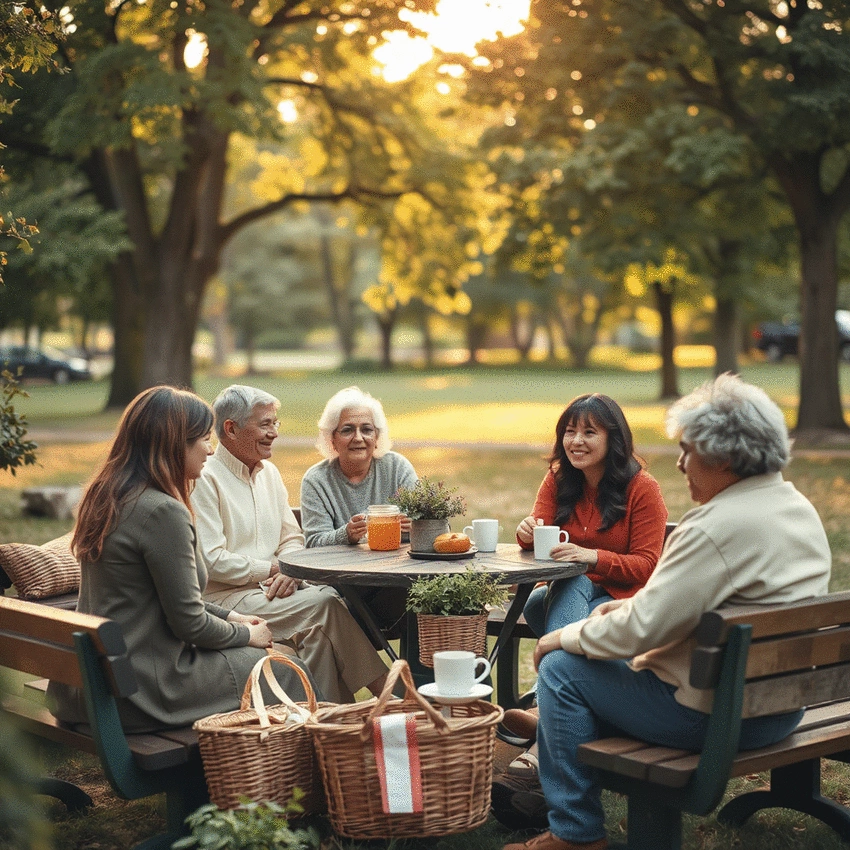
As we navigate significant life changes, such as downsizing, it’s natural to feel a sense of loss and isolation. However, understanding the importance of community connections can transform this transition into an opportunity for growth and new relationships. Embracing these connections not only aids in emotional healing but also enriches our lives.
Engaging with others after downsizing can significantly enhance your emotional well-being. Here are some critical steps and metrics associated with building new connections.
Downsizing can be a big step, not just physically but emotionally. As we transition into smaller living spaces, one key area that often gets overlooked is the role of community connections. At Downsizing Diaries, I believe that fostering these connections can significantly impact our overall well-being, especially after making such a life-altering change. It's an excellent way to continue downsizing for a simpler retirement.
When we downsize, we often leave behind familiar neighborhoods, friends, and routines. This can lead to feelings of isolation or loneliness. It's essential to understand that these emotional challenges are common and can be addressed with a little effort and intention. Connecting with the community can help fill the gaps left behind and create a new sense of belonging.
It's not just about moving to a smaller space; it's about the *connections* we leave behind. The familiar faces in our neighborhoods and the friends we've shared memories with can feel like a huge loss. Acknowledging this grief is the first step in healing and rebuilding our social networks.
When I went through downsizing, I realized that my emotional ties to my old community were significant. It wasn't just about the physical space but the relationships that made it feel like home. By actively seeking out new connections, I found that I could nurture my sense of belonging even in a new environment. This process is similar to coping with downsizing emotions in general.
Here are some suggestions to address these feelings:
These steps can help you process your emotions and open the door to new connections.
Finding community support can be a game-changer after downsizing. It offers a chance to meet new people and create a network that can help you navigate your new life. At Downsizing Diaries, I’ve seen countless stories of how individuals found strength in their communities during this transition.
When we allow ourselves to reach out, we often discover that others are in similar situations. This shared experience can build *resilience* and foster genuine friendships that enrich our lives.
As we settle into our new homes, consider these strategies:
Embracing these opportunities can help you transition smoothly while creating meaningful connections along the way. It's a great way to adjust to life after downsizing.
Local clubs and organizations play a vital role in fostering community connections. They can provide a sense of belonging and purpose, especially after downsizing. Many of us might not realize how many resources are available right in our neighborhoods!
As I explored my new area, I was surprised to find various clubs that matched my interests. Engaging with these organizations can not only fill your calendar but also introduce you to new friends.
Community centers and senior centers often host events and activities that cater to different interests. Here are a few to consider:
These centers can be a fantastic resource for building connections in your new community.
Don't underestimate the power of neighborhood associations and local faith-based organizations. They can offer a welcoming environment where you can meet others who share your values and interests. Get involved by:
These organizations can help you establish a strong sense of community, paving the way for new friendships and support systems.
Here's a brief recap of the key points discussed so far:
Once you've taken the brave step of building new connections after downsizing, it’s essential to keep that momentum going! Life transitions can feel overwhelming, but nurturing these relationships will provide a sense of belonging and community. So, how can we ensure these connections flourish over time? Let’s dive into some practical steps you can take to maintain and sustain these new friendships.
First things first, think about creating a personalized plan for ongoing engagement. This doesn’t have to be complicated! Consider identifying activities or interests that genuinely resonate with you. By focusing on what you love, you’ll naturally attract like-minded individuals who share your passions.
When crafting your plan, ask yourself questions like, "What hobbies do I enjoy?" or "What community events excite me?" Here’s a quick list to help you brainstorm:
Each of these activities can serve as a bridge, fostering friendships while engaging in something you love! Remember, the more you put yourself out there, the more likely you are to sustain meaningful relationships.
It’s also helpful to measure the success of your connections. One of the best indicators of friendship is community involvement. Studies have shown that participating in volunteerism can significantly enhance your social circle. You may find that people you meet while giving back share similar values and interests.
Consider tracking your connections through simple metrics. For example, how often do you meet up with friends? Are there specific activities that lead to deeper conversations? Reflecting on these questions can help you understand what works best for you and your new friends.
Many folks, including myself, have discovered that volunteering can really deepen connections. Engaging in shared goals, whether it’s cleaning up a park or working at a food bank, often leads to stronger bonds. Here are a few impactful ways volunteerism can enhance your friendships:
By understanding how valuable these connections can be, especially through community involvement, you’ll find yourself surrounded by a supportive network! Remember, every small step counts towards building your new life in a smaller space. This also helps with emotional resilience in moving.
Local events are fantastic opportunities to meet new people while enjoying your community! From farmers' markets to cultural festivals, these occasions allow for relaxed socializing in vibrant settings. Don’t underestimate the power of these gatherings to forge new friendships.
Farmers' markets and community gardens are perfect spots to mingle with neighbors. Picture yourself browsing fresh produce or chatting with fellow gardeners! Here’s why these places are so valuable for connection:
Whether you’re gathering ingredients for a meal or simply enjoying the beauty of nature, these experiences can help you connect with others in meaningful ways. It's a key part of conquering clutter and easing your downsizing process.
At Downsizing Diaries, I believe that fostering connections is just as important as decluttering your space. Embrace the journey of building a supportive community! As you explore these avenues, remember to enjoy the process and celebrate each new friendship. Here’s to a fulfilling social life in your new chapter!
Here is a quick recap of the important points discussed in the article:
By Marina Hargrove / Jun 20
By Marina Hargrove / Jun 12
By Marina Hargrove / Jun 04